Source Embossed Diamond PVC Synthetic Leather for Bags, Furniture, and Car Seats
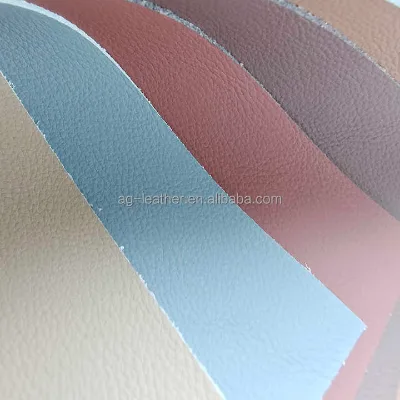
Find 30 listings for embossed diamond pvc synthetic leather suitable for bags, furniture, and car seats. Compare options with customizable colors, soft touch feelings, and waterproof features. MOQs start at 40 meters or 1000 meters per color, with origins in Jiangsu and Zhejiang.
Key considerations
Products List




Comprehensive Sourcing Guide
Embossed Diamond PVC Synthetic Leather Sourcing Guide
Procuring embossed diamond PVC synthetic leather requires a disciplined approach to material verification and supplier alignment. Buyers must prioritize understanding the structural composition of the product, specifically the interaction between the PVC top layer and the knitted or microfiber backing. This guide outlines the critical technical, commercial, and compliance factors necessary for successful sourcing. By focusing on observable listing signals and verifiable specifications, procurement teams can mitigate risks associated with quality inconsistencies and supply chain disruptions.
The following sections provide a structured framework for evaluating potential suppliers and products. Each section addresses a distinct aspect of the sourcing process, from initial product scope identification to long-term quality assurance. The guidance is designed to help buyers make informed decisions based on factual data and industry best practices, ensuring that the selected materials meet the specific functional and aesthetic requirements of the end application.
Product Scope and Observed Listing Signals
The market for embossed diamond PVC synthetic leather presents a diverse range of options, with observed price points ranging from $0.20 to $16.80 USD per unit. This wide variance often reflects differences in material thickness, backing technology, and customization levels. Buyers should note that the minimum order quantity (MOQ) typically spans from 5 to 3,000 units, with many suppliers setting a baseline of 1,000 meters per color. Understanding these commercial thresholds is essential for aligning procurement volumes with production capacity and budget constraints.
Product listings frequently highlight key attributes such as softness, smoothness, and waterproof capabilities, which are critical for applications like car seats, furniture, and bags. The material is often described as having an embossed pattern, with some options offering plain or specific design releases. Buyers must verify if the "embossed diamond" texture is a standard offering or a custom request, as this affects both the aesthetic outcome and the manufacturing complexity. Observing these signals helps in narrowing down suppliers who can meet specific design and functional requirements.
Technical Specifications to Verify
Thickness is a primary technical parameter, with observed ranges typically falling between 0.8mm and 1.0mm, though some products extend to 2.2mm for specialized flooring applications. The width of the material is commonly standardized at 54/55 inches, which influences cutting efficiency and waste reduction during production. Buyers should confirm the exact thickness and width for their specific order, as deviations can impact the final product's durability and fit. Additionally, the backing technics, such as knitted or microfiber fabrics, play a crucial role in the material's flexibility and strength.
The material composition is predominantly PVC, often combined with various backing layers to enhance performance. Some listings specify a backing of imitate velveteen or cotton/knitting, which affects the tactile feel and breathability of the leather. Buyers must verify the specific backing type to ensure it aligns with the end-use requirements, such as abrasion resistance for bags or softness for home textiles. Confirming these technical details early in the sourcing process prevents mismatches between supplier capabilities and product expectations.
Compliance and Safety Documentation
Safety and regulatory compliance are paramount when sourcing PVC-based materials, especially for applications involving direct human contact or indoor environments. Buyers should request relevant certifications, such as CE or ISO, to ensure the product meets international safety and quality standards. These certifications indicate that the manufacturer adheres to specific guidelines regarding chemical composition and manufacturing processes, reducing the risk of non-compliance in target markets. Verifying these documents is a critical step in mitigating legal and reputational risks.
In addition to general certifications, buyers should inquire about specific test results related to anti-mildew, waterproof, and abrasion-resistant properties. These features are often highlighted in product descriptions but require independent verification to ensure their efficacy. Understanding the chemical safety profile of the PVC and any plasticizers used is essential, particularly for products intended for automotive or furniture use. Buyers should establish clear requirements for documentation and testing to ensure that all supplied materials meet the necessary safety benchmarks.
Cost Drivers and Commercial Terms
Several factors influence the final cost of embossed diamond PVC synthetic leather, including material thickness, backing type, and customization requirements. Custom colors and designs often incur additional costs and may have higher MOQs, such as 1,000 meters per color. Buyers should negotiate clearly defined pricing structures that account for these variables, ensuring that there are no hidden fees for design changes or small batch orders. Understanding the cost drivers helps in budgeting accurately and avoiding unexpected expenses during the procurement process.
Payment terms and delivery times are also significant commercial considerations. Standard terms often include a 30% deposit with the balance due upon receipt of copy documents, while delivery times typically range from 7 to 14 days. Buyers should confirm these terms with each supplier to ensure they align with their cash flow and production schedules. Additionally, packaging methods, such as poly bags or woven bags, can affect shipping costs and product protection. Clear communication regarding these commercial details is essential for a smooth transaction.
Supplier Qualification and Quality Control
Evaluating supplier qualifications involves assessing their production capabilities, quality control processes, and track record. Buyers should verify the supplier's location, with many manufacturers based in regions like Jiangsu or Zhejiang, China, which are known for their textile and leather industries. Understanding the supplier's origin can provide insights into their expertise and logistical advantages. Additionally, buyers should inquire about the supplier's experience with similar products and their ability to handle custom orders, ensuring they have the necessary infrastructure to meet specific requirements.
Quality control measures should be clearly defined and agreed upon before placing orders. Buyers should request samples to evaluate the material's texture, color consistency, and durability. Establishing clear acceptance criteria for defects, such as uneven embossing or backing separation, is crucial for maintaining product quality. Regular inspections and communication with the supplier during production can help identify and address issues early, ensuring that the final product meets the specified standards. Building a strong relationship with the supplier based on transparency and mutual trust is key to long-term success.
Long-Term Procurement Checks
Sustaining a successful procurement relationship requires ongoing monitoring and evaluation of supplier performance. Buyers should regularly review key performance indicators, such as on-time delivery rates, product quality consistency, and responsiveness to issues. Establishing a feedback loop with the supplier allows for continuous improvement and adaptation to changing market demands. Regular audits and site visits, if feasible, can provide deeper insights into the supplier's operations and commitment to quality.
Additionally, buyers should stay informed about industry trends and technological advancements in PVC synthetic leather production. This knowledge can help in identifying new opportunities for cost savings or product enhancements. Maintaining a diversified supplier base can also mitigate risks associated with supply chain disruptions. By proactively managing these long-term factors, buyers can ensure a stable and efficient supply of embossed diamond PVC synthetic leather, supporting their business objectives and customer satisfaction.
FAQs
Can I customize the color of embossed diamond pvc synthetic leather?
Yes, the color can be customized up to customer requirements. Buyers can select from available options like black or request specific shades. This flexibility supports diverse design needs for furniture, bags, and car seats while ensuring the product meets unique aesthetic standards.
What is the minimum order quantity for this PVC leather?
The minimum order quantity is typically 1000 meters per color. Some listings indicate a lower threshold of 40 meters for non-OEM colors. Buyers should verify specific model requirements as quantities may vary depending on the customization level and specific product model selected.
Which certifications does the embossed diamond pvc synthetic leather hold?
The product holds CE and ISO certifications. These standards ensure quality and safety compliance for various applications. Buyers seeking certified materials for international markets can rely on these documented standards to meet regulatory requirements for furniture, automotive, and home textile uses.
How long is the delivery time for this synthetic leather?
The delivery time is generally 7 to 14 days. This lead time applies to standard orders and may vary based on customization needs. Buyers planning production schedules should account for this window to ensure timely receipt of materials for their manufacturing or retail operations.
What are the main features of this embossed PVC leather?
Key features include waterproofing, softness, and abrasion resistance. The material also offers anti-mildew properties and elasticity. These characteristics make it suitable for demanding applications like car seats, bags, and furniture where durability and comfort are essential for long-term performance.
Where is the origin of this embossed diamond pvc synthetic leather?
The product originates from Jiangsu and Zhejiang provinces in China. These regions are known for their manufacturing capabilities in synthetic materials. Buyers can expect established supply chains and production expertise when sourcing this specific type of PVC leather from these designated locations.
What is the thickness range of this synthetic leather material?
The thickness ranges from 0.8 to 1 millimeter. This dimension supports versatile uses including belts, linings, and decorative items. The specific thickness ensures the material provides adequate durability and flexibility for applications ranging from home textiles to automotive seat coverings.